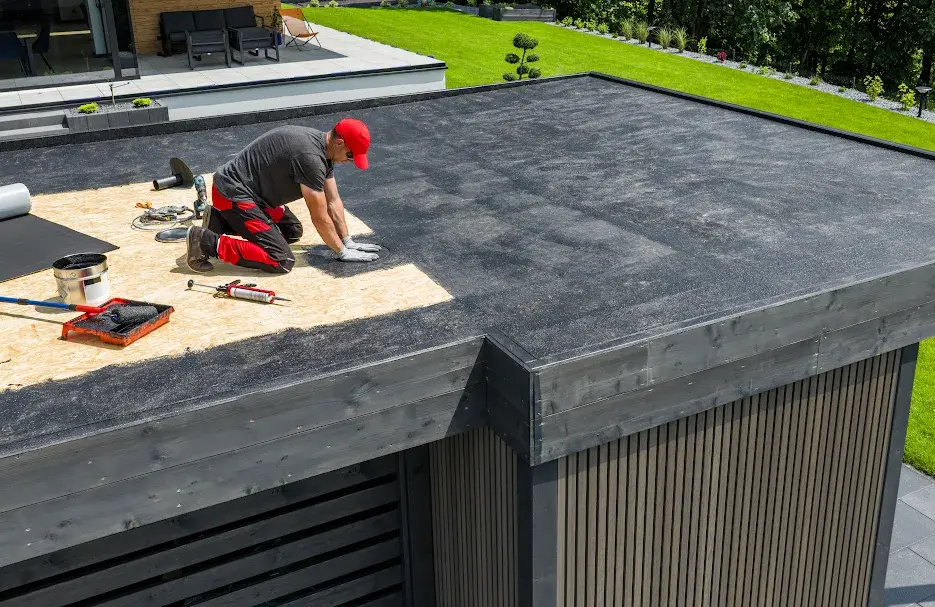
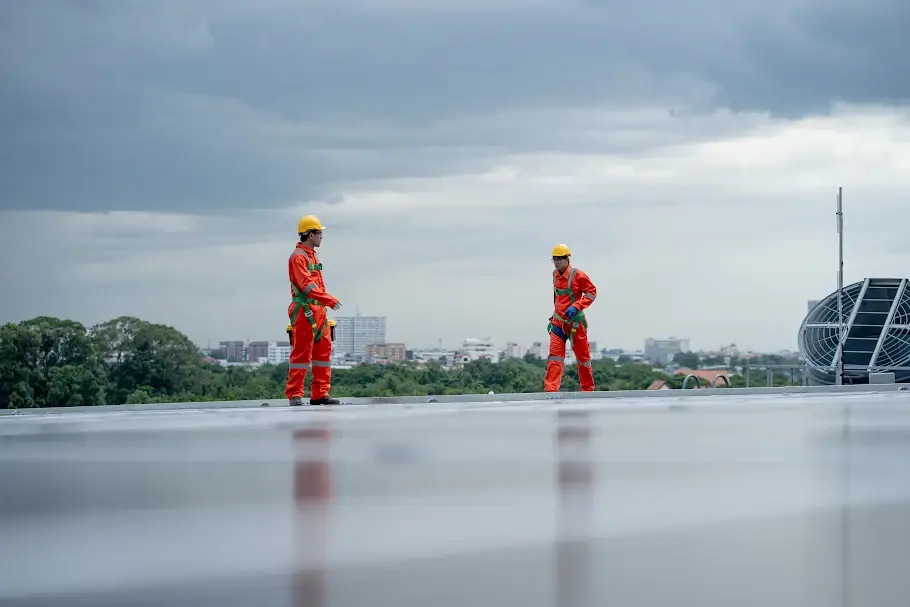
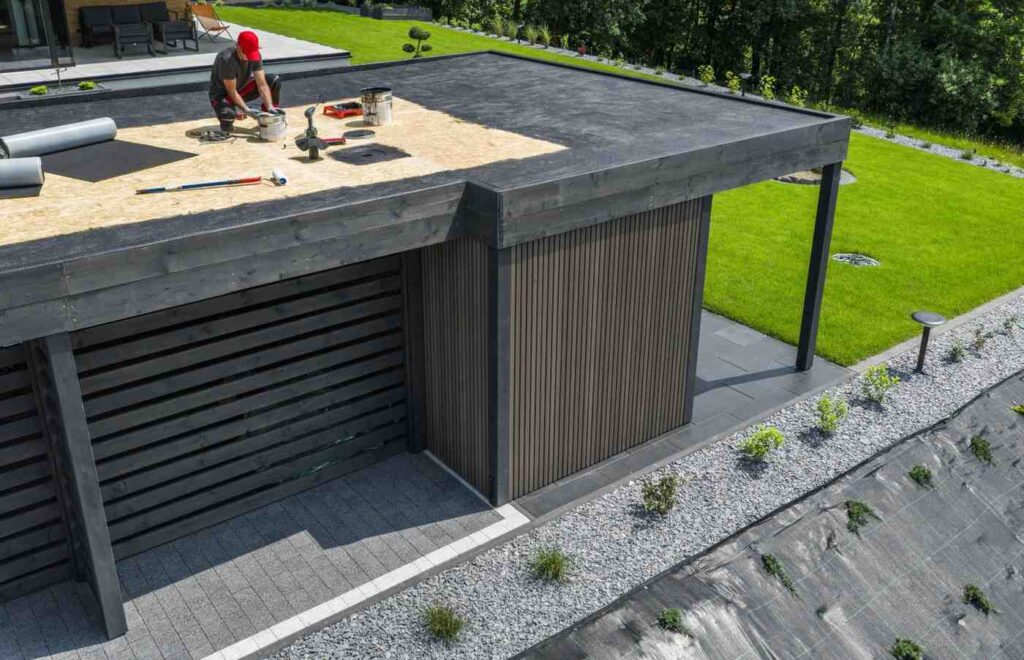
Sleek, stylish, and sophisticated, flat roofs are a great way to give your home a modern look. But the real question is how long it takes to set them up and what the cost is for the entire project. While residential flat roof installation is usually completed within a few days, things like weather conditions and structural damage can push back the lead time. The price is heavily influenced by the chosen contractor and your location. Flat Roofs by Pegram has created this blog, highlighting the time and money it takes for a new flat roof.
Flat Roof Installation Timeline: Step by Step
When it comes to flat roof installation, the timeline for a typical residential roofing project is around four days. This includes everything from prep work to repairs and then new roof installation. However, this is just an ideal estimate, and several factors like the weather conditions and material availability play a part in pushing back or speeding up the timeline.
Here is a closer look at how long a flat roof installation takes and why.
- Average Timeline
For a typical residential property that wants to upgrade its roofing system to a flat roof, the process from conception to final clean-up will take around four days. Here is a look at how that timeline will look:
- Prepping The Area: This step can take anywhere from 0.5-1 day and includes things like setting up PFA systems, covering the landscape, and bringing in machinery and materials.
- Old Roof Removal: Depending on the extent of the damage and layers of material, this step can take a day or two. Roofers tear off the old roof and dispose of the debris.
- Repair Work: Depending on the decking’s state, this step can last anywhere from 1 to 3 days. Roofers replace softened or rotting wood and then lay down the underlayment.
- New Roof Installation: Once the stage is set, roofing contractors will lay down the material for the new roof. This step can take anywhere from 1 to 5 days.
- Finishing Touches & Clean-Up: The roofers usually spend about a day on this step. They install flashing and seal vents before conducting one final inspection and clearing the site.
Factors Influencing The Timeline
The thing about major renovation projects is that you can’t take the projected timeline too seriously. There are several factors that come into play, and each can extend the timeline. Some factors that come to mind are:
- Weather: heavy rains and strong winds cause delays of hours to days
- Roof’s Condition: Fixing pest-infested and moisture-damaged decking adds several days to the project.
- Design Complexity: If you’ve got a lot of vents, skylights, or other openings on your flat roof, it will take longer to build.
- Permit Acquisition: Securing the required paperwork for your flat roof installation can add days to months to the project.
- Material Availability: If you opt for prime materials that aren’t readily available, your flat roof installation project will stall.
Budgeting For A Flat Roof Installation: Prices & Considerations
Now that you understand the flat roof installation process, let’s address the elephant in the room: how much does it cost to install one? For residential projects, the average cost ranges from $10 to $45 per square foot. Industrial flat roofing projects may be higher due to larger scale, specialized materials, and additional labor requirements. Factors affecting the final cost include material type, labor rates, roof accessibility, and the complexity of the installation.
- Material Prices: If you choose something like EPDM, the price for the material will be on the lower end of the spectrum. But something like BUR will be much higher.
- Labor Costs: The experience and reputation of the roofing contractor you select will make up about 60% of the total price.
- Work Scope: If your structure has suffered underlying damage from moisture or mold, the repairs will push up the cost.
- Accessibility: If your roof can’t be easily accessed due to height or narrow alleyways, your roofers will charge you extra for installation.
- Location: Urban areas push up the price of roof installation for your project, while the same service will be much lower in a small town.
Residential vs. Commercial Flat Roofs
Not all roofing systems are the same.
- Residential single-system roofs are usually more affordable and straightforward to install.
- Large homes, multi-zone residential systems, or commercial/industrial flat roof installations with custom duct layouts or complex designs require extra attention, which may increase labor and costs.
Benefits of Flat Roofs
- Modern and sleek aesthetic
- Energy efficiency and reduced utility costs
- Easier maintenance compared to pitched roofs
- Ideal for residential and commercial properties
Conclusion
To conclude, flat roof installation usually takes about four days to complete, but several factors, like material availability and structural damage, can push back the lead time. The cost can be anywhere from $10 to $45 per square foot, depending on things like material selection, location, and ease of accessibility. We hope this blog gave you a deeper understanding of the timeline and cost of setting up a new flat roof. For more questions or details, please drop us a line.
FAQs
- What is the lifespan of flat roofing?
Depending on the material and installation quality, flat roofs can last 15 to 30 years.
- How can I extend the lifespan of my flat roof?
Ensure proper installation, keep gutters clean, and address repairs promptly. Regular inspections prevent costly damage.
- Can flat roofs be installed on commercial buildings?
Yes, flat roofs are ideal for commercial buildings due to cost-effectiveness, energy efficiency, and ease of maintenance. Proper installation ensures long-term durability.
- What maintenance is required for a flat roof?
Regular inspections, clearing debris, maintaining drainage, and timely repairs are essential to prevent leaks and extend lifespan.
- What factors affect the total cost of flat roof installation?
Material type, labor quality, structural repairs, accessibility, and location are the main factors influencing total project costs.